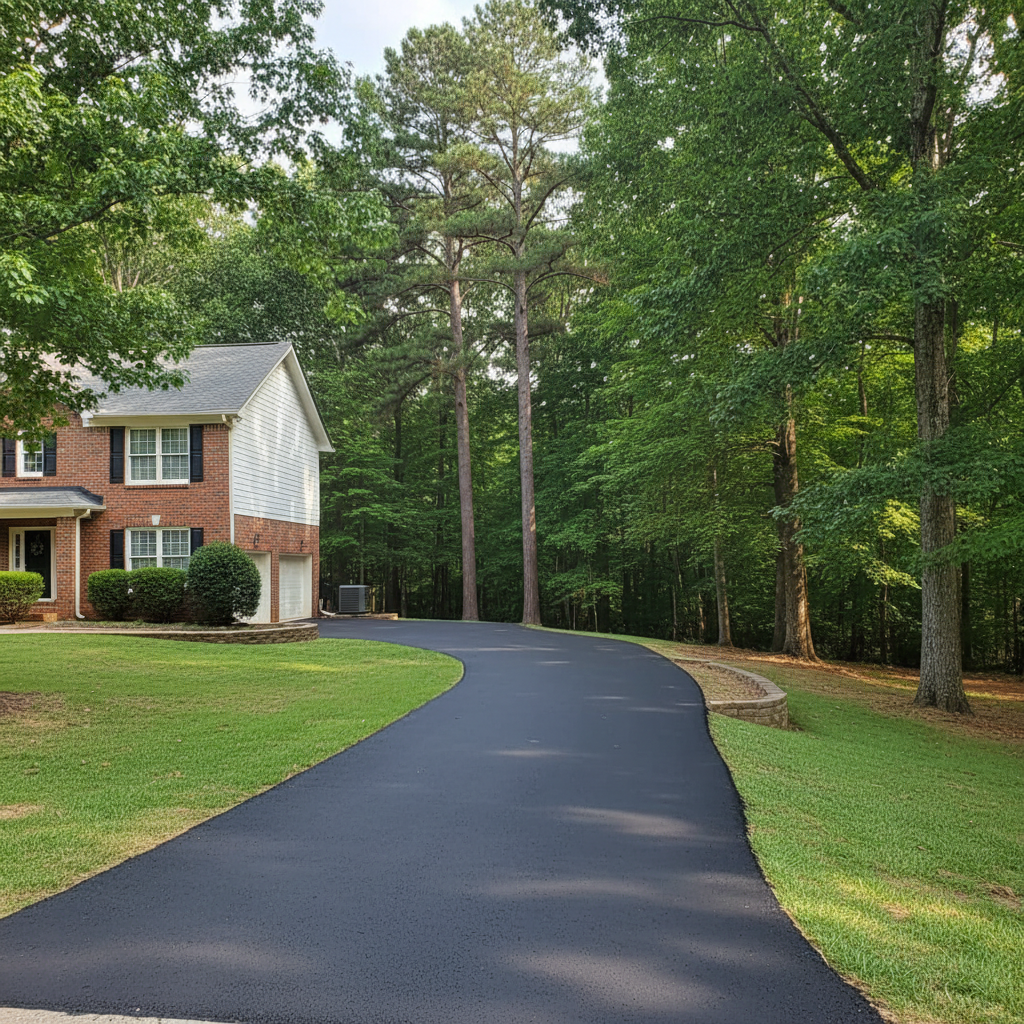
So, you're thinking about replacing that old, cracked-up driveway, or maybe you're putting in a brand new one. That's a smart move, honestly. A good driveway doesn't just look better; it adds value to your home and makes daily life a whole lot easier. But before you just pick up the phone and call the first paving company you stumble upon, let's chat about getting everything lined up. Planning is absolutely crucial for a smooth project, and believe me, I've seen enough jobs go south because people didn't really know what to expect.
Understanding Your Project Timeline
First things first: don't expect this to happen overnight. A quality paving job takes some real time, from that first quote right up to the final cure. Here’s a rough idea of what you’re looking at:
- Initial Contact & Site Visit (1-2 weeks): You'll probably call a few different contractors. They'll come out, measure things, check out your site, and talk through your options. This is when you'll start getting estimates. Good contractors are usually pretty busy, especially during prime seasons like spring and fall, so don't count on them showing up tomorrow.
- Quote Review & Decision (1-2 weeks): Take your sweet time here. Compare those quotes, check references, and ask all those tough questions we'll cover later. Don't let anyone push you into signing anything on the spot.
- Scheduling (2-6 weeks, or more): Once you've picked your contractor, they'll get you on their schedule. This timeframe can really jump around depending on the time of year, the weather, and how much work they already have. For example, if it's August and we've had a ton of rain, things could easily get pushed back.
- Permits (if needed, 2-4 weeks): For most residential driveways, you probably won't need a permit. But if you're making big changes to drainage or connecting to a city street in a major way, you might. Your contractor should know the local rules.
- Actual Paving Work (2-5 days): This is the quick part! Once they start, a typical residential driveway might take a couple of days for digging and base prep, then another day or two for laying the asphalt itself. Bigger, more complicated jobs will obviously take longer.
- Curing Time (7-14 days minimum): This step is super important. You can't just drive on it right away. Your contractor will give you specific instructions, but generally, you're looking at a week or two before you can really start using it heavily.
So, from that first phone call to finally driving on your new asphalt, you're probably looking at somewhere between 6 weeks and 3 months. Plan accordingly, okay?
What to Expect During the Paving Process
It's not just a truck showing up and dumping asphalt, you know. There's a whole process, and it can be a little disruptive. Here's the general rundown:
- Excavation: They'll dig out your old driveway or clear the area if it's a new one. This means heavy equipment, some noise, and a pile of dirt or old material.
- Grading & Base Prep: This is probably the most critical step. They'll shape the ground, making sure water drains away from your house, which is especially important with our heavy Tuscaloosa thunderstorms. Then they'll lay down and compact a really strong aggregate base. A good base prevents future cracks and sinking.
- Asphalt Application: Hot asphalt gets spread out in layers and then compacted with big rollers. It's hot, it smells, and it's loud. Keep kids and pets well away from the work area.
- Cleanup: Once the asphalt is down, they'll clean up the site, get rid of debris, and make sure the edges look neat.
- Post-Paving Instructions: Your crew will tell you when you can walk on it, when you can drive on it, and any initial care instructions. Seriously, listen to them!
Expect some noise, dust, and limited access to your driveway for a few days. It's a construction zone, plain and simple.
How to Prepare Your Property
You can definitely help make things go smoother. Before the crew arrives:
- Clear the Area: Move your cars, boats, trailers, trash cans, planters, and anything else that's on or close to the driveway.
- Trim Landscaping: If you have bushes or trees hanging over the driveway, trim them back. This gives the equipment plenty of room to work and helps prevent damage to your plants.
- Mark Sprinkler Heads/Invisible Fences: If you've got an irrigation system or an invisible pet fence near the driveway, mark those lines clearly. Even better, turn off and drain your sprinklers if they're in the immediate work zone.
- Inform Neighbors: Give your neighbors a heads-up about the work, the noise, and any temporary access issues. It's just good neighborly practice, right?
- Secure Pets: Keep your furry friends inside or in a secure, separate area, far away from the construction.
Key Questions to Ask Before Signing a Contract
This is where you really protect yourself and make sure you're getting a quality job. Don't be shy; a reputable contractor, like Premium Asphalt Paving, will actually appreciate how thorough you are.
- Are you licensed and insured? Ask for proof. Don't work with anyone who can't show you current liability insurance and workers' compensation.
- Can I see references or examples of your work? A good contractor will be happy to provide this. Drive by some of their completed projects if you can swing it.
- What's included in the price? Get a detailed breakdown. Does it cover digging, base material, asphalt layers, and cleanup? Are there any potential extra costs?
- What kind of base will you use, and how thick will it be? This is critical. A good base is usually 6-8 inches of compacted aggregate.
- How thick will the asphalt be? For residential driveways, you want at least 2-3 inches of compacted asphalt.
- What's your warranty? What does it cover, and for how long? Get it in writing.
- What's your plan for drainage? Bad drainage is a nightmare. Make sure they have a clear plan to direct water away from your home and property. Here in Tuscaloosa, with our clay soils, good drainage isn't just a suggestion—it's a must.
- Who will actually be on site? Will it be your crew, or will you be subcontracting parts of the job?
- What's the payment schedule? Be careful of anyone asking for 50% or more upfront. A reasonable deposit is fine, but you should make the final payment once the job is satisfactorily done.
- How do you handle unforeseen issues? Sometimes things just come up. A good contractor will have a plan for talking about them and fixing them.
By asking these questions and really understanding the process, you'll be well on your way to a beautiful, long-lasting driveway. It's a big investment, so take your time and do it right.