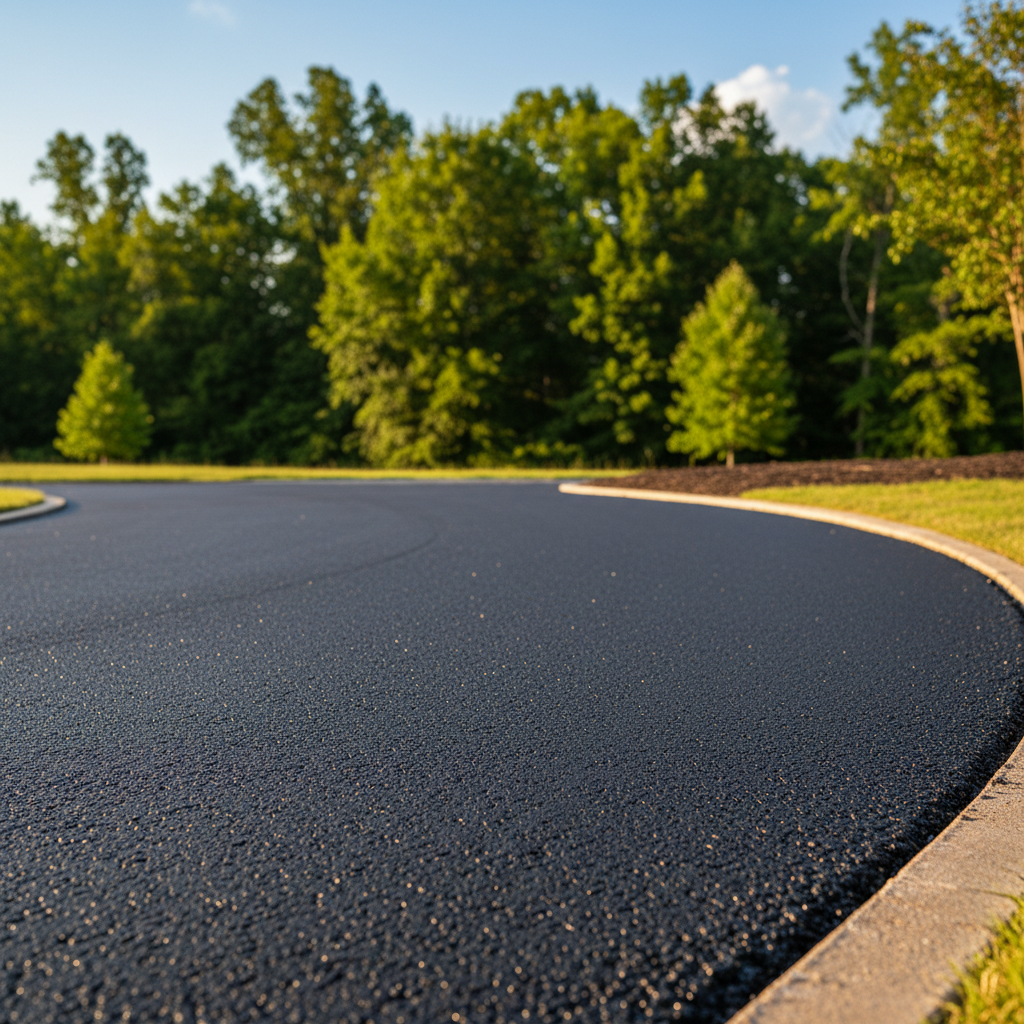
Alright, let's talk driveways. Specifically, asphalt driveways for your home here in Tuscaloosa. Maybe you're tired of that cracked-up concrete, or perhaps you're building a new place and need a solid surface. Whatever the reason, getting a new asphalt driveway is a pretty big deal, and you've probably got questions. I'm here to give you the straight scoop on what to expect before, during, and right after the job.
Before You Start: Planning Your Project
First things first, you've got to plan. Don't just jump into calling the first number you see, okay? A good plan saves you headaches and money down the road. What's the size and shape of your driveway? Do you have drainage issues? Is your current driveway a mess, or is it just dirt?
Here's what you should be thinking about:
- Budget: This is probably the biggest one. Asphalt isn't cheap, but it's a long-term investment. Get a realistic idea of what you're willing to spend.
- Drainage: This is huge, especially with our heavy Alabama rains. Water is the enemy of pavement, plain and simple. You need to make sure your new driveway will shed water away from your house and not create puddles that sit and soften the base. We often see issues in areas like Forest Lake, where older homes might have settled, creating tricky drainage patterns. A good contractor will definitely factor this in.
- Permits: Depending on where you live and the scope of the work, you might need a permit from the city or county. Don't skip this step; it can cause big problems later.
- Choosing a Contractor: This is where you really need to do your homework. Don't just go with the lowest bid. Ask for references, check their insurance, and make sure they're local and reputable. A contractor who knows Tuscaloosa's soil conditions – like our expansive clay – is going to do a better job preparing your subgrade. That's crucial for longevity, believe me. We're Premium Asphalt Paving, and we've been doing this for years, so we know what works around here.
- DIY vs. Pro: Can you lay a new asphalt driveway yourself? Absolutely not. This isn't a weekend project. You need heavy equipment for grading, compaction, and laying hot asphalt. This is 100% a job for professionals. What you can do yourself is clear the area of debris, mark out your proposed driveway, and maybe even dig out some of the old material if you're really ambitious and have the right tools. But for the actual paving, call us.
During the Project: What to Expect
Once you've picked your contractor and the date is set, here's a rough idea of what'll happen. It's not just dumping black stuff on the ground; there's a lot of science to it.
First, they'll remove the old driveway, if there is one. Then comes the grading. This is where they shape the ground to ensure proper drainage and a solid foundation. They'll likely bring in new aggregate – think crushed stone – to create a strong base layer. This base is compacted heavily. You'll hear and feel the vibrations from the rollers, for sure. A good, stable base is absolutely critical. Without it, your asphalt won't last, no matter how good the top layer is.
Next, they'll apply a tack coat. This is a sticky liquid asphalt that helps the new asphalt bind to the base. Then, the hot asphalt mix arrives. It's usually delivered in large trucks and spread by a paver machine. This stuff is hot, like 300 degrees Fahrenheit hot, so stay clear! The paver lays it down evenly, and then the rollers come back to compact it again. This compaction is what makes the asphalt dense and durable. They'll typically do several passes until it's smooth and tight.
The crew will be working hard, and it's a pretty intense process. Expect some noise and a distinct smell. It'll all be worth it when you see that smooth, black surface taking shape.
After the Project: Initial Care and What's Next
Alright, the job's done, and you've got a beautiful new driveway. Now what? Don't just drive on it immediately. Your contractor will tell you exactly how long to wait, but usually, it's at least 24-48 hours before you can drive a car on it, and longer for heavier vehicles. The asphalt needs time to cool and harden completely.
Here are a few things to keep in mind during those first few weeks and months:
- Parking: Avoid parking heavy vehicles in the same spot for extended periods, especially during hot weather. The asphalt is still curing and can be susceptible to indentations. Don't turn your steering wheel sharply while stationary on your new driveway; that can scuff the surface.
- Heavy Loads: Try to avoid driving extremely heavy equipment or trailers on it for the first few months if you can.
- Edging: The edges of your new driveway are the most vulnerable. Keep vehicles from driving off the edge, which can cause crumbling.
- Initial Sealcoating: Most new asphalt driveways should be sealcoated within 6-12 months after installation. This isn't a job for right away, but it's an important part of protecting your investment. Your contractor can advise you on the best timing.
A new asphalt driveway is a great addition to any home. It adds curb appeal, functionality, and value. By understanding the process and doing your part in the planning and initial care, you'll ensure your driveway lasts for years to come. If you're ready to talk about your project, give us a call.