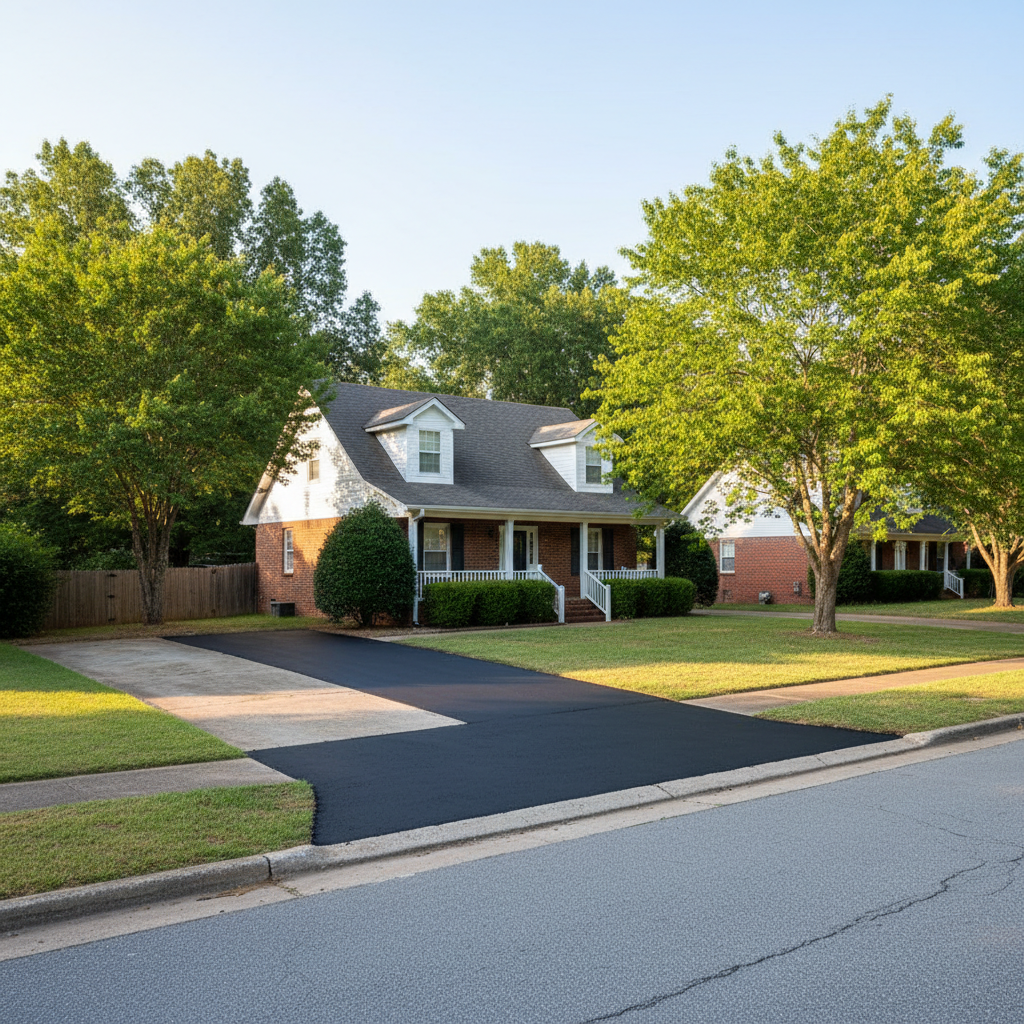
You've seen it, I've seen it. That ugly pothole that keeps getting bigger, or the cracked-up section of asphalt that's just an accident waiting to happen. Folks often think patching is just a quick, cheap fix, but if it's not done right, you're just throwing money away. Especially here in Tuscaloosa, where our weather can be pretty brutal on pavement.
Why Proper Patching Matters Here in Tuscaloosa
Look, our climate isn't doing your asphalt any favors. We get those scorching hot summers that bake the asphalt, making it expand. Then comes the fall and winter with freezing temps, sometimes even a little ice, which makes it contract. That constant push and pull, plus the heavy rains we get — especially during hurricane season remnants — really stress the pavement. When water gets into those little cracks and then freezes, it expands and rips the asphalt apart. That's how a small crack turns into a monster pothole overnight, believe me.
A cheap, temporary patch might fill the hole for a bit. But if you don't address the underlying issue, or if the patch material isn't properly compacted and sealed, you'll be patching it again next year. Or worse, water will seep under the whole section, undermining the base, and then you've got a much bigger, much more expensive problem on your hands.
Common Patching Jobs We See Around Town
We do a lot of patching work all over Tuscaloosa. You'll find it needed everywhere from the busy parking lots downtown to the quiet residential streets in places like Indian Hills or even the older commercial properties off Skyland Boulevard. Here are a few common scenarios:
- Pothole Repair: This is the big one. Whether it's a small crater in a residential driveway or a giant one in a commercial parking lot, potholes are a safety hazard and a liability. We're talking trip hazards for pedestrians and damage to vehicles.
- Utility Cuts: When the water company or cable guys have to dig up the street or your driveway to fix a line, they leave a cut. That cut needs proper patching and sealing to prevent water intrusion and further deterioration. You don't want a perfectly good driveway ruined by a poorly filled trench, do you?
- Alligator Cracking: This looks like a bunch of interconnected cracks, kind of like alligator skin. It usually means the base layer underneath is failing. Just filling the cracks won't cut it; you often need to remove that section and rebuild it from the base up.
- Edge Repairs: Driveways and parking lot edges take a beating, especially from vehicle tires driving over them. These areas can crumble and break apart, leading to wider damage if not fixed.
The Right Way to Patch Asphalt
When we talk about proper patching at Premium Asphalt Paving, we're not just talking about throwing down some cold mix. That's fine for a super temporary fix if you're in a pinch, but it won't last. For a durable repair, you're usually looking at one of two main methods:
Cut and Replace (Full-Depth Patching)
This is the gold standard for potholes and severely damaged areas. We cut out the entire damaged section, making sure to get rid of all the weak material. Then, we clean out the area, make sure the base is solid, and fill it with new, hot asphalt. We compact this new asphalt layer by layer to match the surrounding pavement. It's a permanent fix because you're addressing the problem from the ground up, not just covering it over.
Skin Patching (Surface Patching)
For areas with minor surface cracking or shallow depressions where the base is still solid, we might use a skin patch. This involves cleaning the area thoroughly, applying a tack coat to help the new asphalt bond, and then laying a relatively thin layer of hot mix over the affected area. It's not as robust as a full-depth patch, but it's effective for certain types of damage and can extend the life of your pavement.
Why Local Expertise Isn't Just a Buzzword
You might think asphalt is asphalt, no matter where you are. But I'm telling you, knowing the local conditions makes a huge difference. We understand the specific soil types here in Tuscaloosa – how they drain (or don't drain), and how they react to our weather cycles. We know that a patch done in the heat of August needs to be handled differently than one in the chill of January. We've been doing this for years right here in town, so we've seen what works and what doesn't last.
Plus, we're right here. If you have a question or an issue, you're talking to someone who lives and works in the same community as you. You're not calling some out-of-town company that's just passing through. When you choose a local business like Premium Asphalt Paving, you're getting folks who care about their reputation right here at home.
So, next time you see a patch job that needs doing, don't just think about the cheapest option. Think about the right option, the one that'll stand up to Tuscaloosa's demands and save you money in the long run.