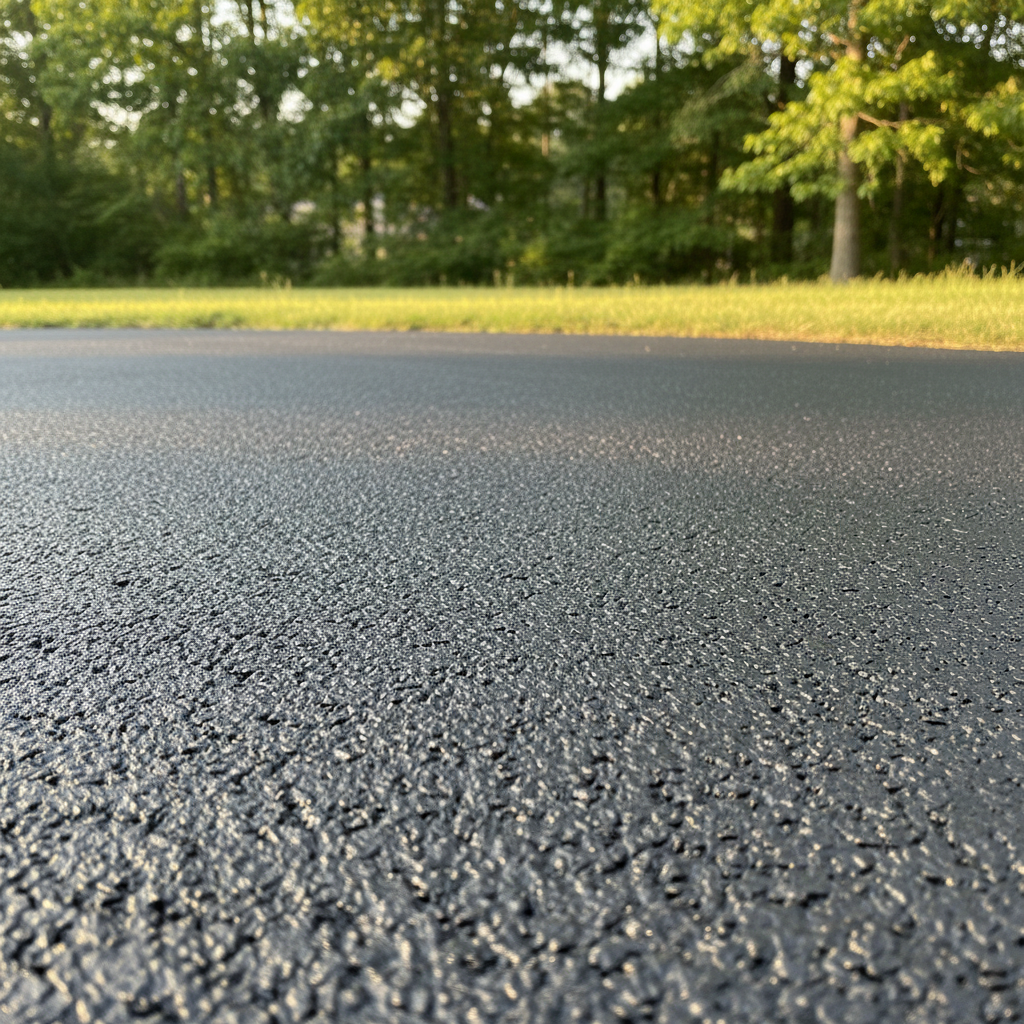
Driveways experience a lot of wear under the Alabama sun, and by mid-summer, the asphalt often looks tired and faded. Slurry coating is one of the best ways to bring that dark, rich finish back and seal out moisture. But before you buy five-gallon buckets from the hardware store, it is important to understand what is actually involved in this job and whether you should grab a squeegee or call in a crew for Asphalt Paving in Tuscaloosa, AL.
Before You Start: Checking Your Driveway's Health
Slurry coating is not a magic fix for structural damage. If your driveway has alligator cracking that resembles a jigsaw puzzle or base failure where the ground is sinking near Lake Tuscaloosa, a surface coat will not save it. You have to fix the foundation first. Premium Asphalt Paving recommends walking your asphalt and looking closely at the cracks. Anything under a quarter-inch can usually be cleaned out and filled, but larger structural problems need heavy repair work before any coating touches the surface.
Weather is another huge factor right here in West Alabama. You cannot just slap slurry down on a humid, rainy afternoon in July. You need a stretch of dry, warm days where both the air and pavement temperatures stay above 50 degrees. If rain catches fresh slurry, it washes right down your street and into the storm drains.
During the Project: Sweat Equity vs. Heavy Equipment
Can you do a DIY slurry coat? Technically, yes, if your driveway is short and you do not mind spending a Saturday working hard. You will need to pressure wash every inch of oil, dirt, and organic debris out of the pores. Then comes the mixing and pouring. You spread it using a rubber squeegee tool, working quickly before the emulsion starts drying out in the heat.
Here is where most homeowners regret going the DIY route. The material is heavy, messy, and unforgiving if you miss a section or let it pool in low spots. Premium Asphalt Paving uses specialized distributor trucks and professional-grade slurry mixes that bond much better than what sits on retail shelves. If your driveway is long, sloped, or heavily shaded by big oak trees dropping sap, you will save yourself a massive headache by letting pros handle the Asphalt Paving application.
After the Coat: Cure Time and Long-Term Care
Once the slurry is down, your job shifts to patience. Keep foot traffic off it for at least 24 hours, and keep cars off it for a solid 48 to 72 hours depending on how thick the coat went on and how humid it is outside. Rushing back onto fresh asphalt will leave tire scuffs and peel up the seal.
Going forward, keep heavy delivery trucks off the edges because local red clay soil tends to shift during wet winters, leaving the sides of your driveway unsupported. Sweep off leaves and pine needles regularly so they do not trap moisture against the new surface. Premium Asphalt Paving provides Asphalt Paving services for homes in Tuscaloosa, AL to keep your asphalt looking sharp and protected for years, handling whatever the Alabama weather throws at it.