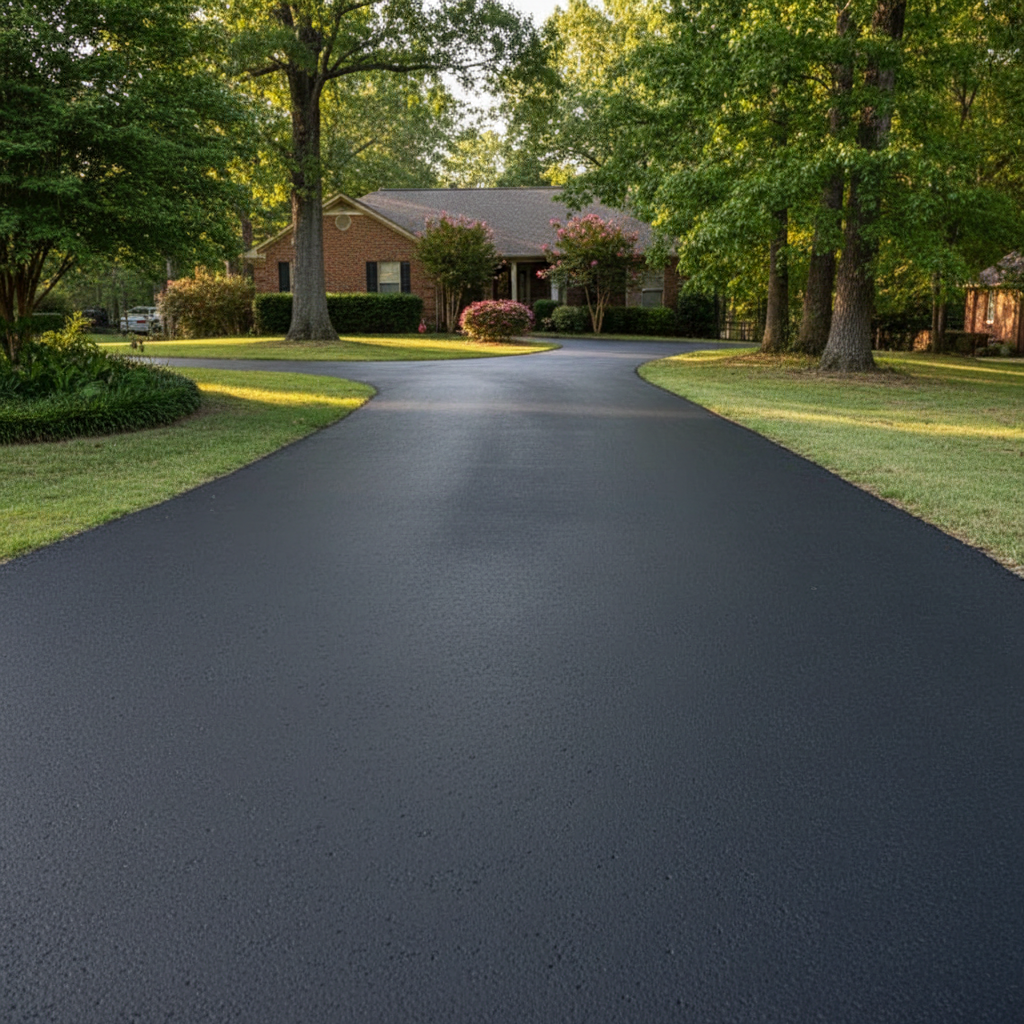
So, you just got your asphalt sealcoated, or maybe you're thinking about it. That's a smart move. Sealcoating isn't just about making your driveway or parking lot look sharp; it's about protecting your investment from the harsh Alabama sun and all the other stuff nature throws at it. But getting it done is only half the battle. If you want that sealcoat to really do its job and last as long as possible, you gotta take care of it. Think of it like changing the oil in your truck – you wouldn't just drive it for 100,000 miles without a single oil change, would you?
Give It Time to Cure Right
This is probably the most important thing you can do right after we finish the job. We'll tell you specifically, but generally, you need to stay off that fresh sealcoat for at least 24 to 48 hours. Sometimes longer if it's humid or cooler than usual. I know it's tempting to drive right on it, especially if it's your main driveway, but don't do it. Driving on it too soon can leave tire marks, scuff the surface, and just generally mess up the curing process. That means it won't bond as well, and you'll be looking at cracks and wear much sooner. Foot traffic is usually fine after a few hours, but vehicles? Give it its space. We use high-quality materials at Premium Asphalt Paving, but even the best stuff needs time to set up properly.
Regular Cleaning and Debris Removal
This one's pretty straightforward, but a lot of folks overlook it. Leaves, dirt, gravel, pine needles – they all accumulate on your asphalt. When it rains, that stuff holds moisture against the sealcoat. Over time, that constant dampness can degrade the surface. Plus, if you drive over sharp gravel or debris, it can scratch or gouge the sealcoat, creating weak spots. Just take a broom, a leaf blower, or even a hose and clear off your asphalt regularly. Especially after a big storm, like those pop-up summer thunderstorms we get here in Tuscaloosa that can dump a ton of debris.
Watch Out for Spills
Oil, gas, antifreeze, power steering fluid – these are sealcoat killers. Asphalt is petroleum-based, and these chemicals break down the sealcoat (and the asphalt underneath) like nobody's business. If you have a leaky vehicle, try to park it off the asphalt until you get it fixed. If a spill happens, clean it up immediately. Don't let it sit there and soak in. Use an absorbent material like cat litter or sand, then sweep it up. You can try a mild detergent and water, but avoid harsh degreasers, as they can strip the sealcoat too.
Address Cracks and Potholes Promptly
Sealcoating is a protective layer, but it's not a miracle worker for existing damage. If small cracks or potholes develop after sealcoating, don't ignore them. Water is the enemy of asphalt. It seeps into those cracks, gets under the surface, and then when it freezes (which, granted, doesn't happen often here, but it does happen) or just expands and contracts with our wild temperature swings, it widens the damage. Get those cracks filled and potholes patched as soon as you spot them. It's much cheaper to fix a small crack than to repave a whole section down the line.
Warning Signs You Need Attention
You'll start to notice things if your sealcoat is wearing thin or has problems. Here's what to look for:
- Fading Color: The rich, black color starts to look dull gray. That means the top protective layer is wearing away, and the aggregate in the asphalt is becoming more exposed.
- Surface Cracks: Not just the big ones, but a network of fine, hairline cracks, sometimes called 'alligator cracking.' This shows the sealcoat is losing its flexibility and the asphalt underneath is starting to deteriorate.
- Loose Aggregate: If you see small stones and gravel coming loose from the surface, especially when you sweep or drive over it, that's a sign the sealcoat isn't holding things together anymore.
- Potholes or Depressions: These are clear indicators that water has gotten under the surface and caused significant damage.
When to Call a Professional
Look, you can do a lot of the basic maintenance yourself, but there are times when you just need to call in the pros. If you're seeing widespread cracking, significant fading, or potholes that are getting bigger, it's time to give us a call. Don't wait until your driveway looks like a patchwork quilt. Catching these issues early can save you a lot of money in the long run. We can assess the damage, recommend crack filling, patching, or even another round of sealcoating if it's been a few years. Typically, a good sealcoat job lasts 2-4 years, depending on traffic and how well it's maintained. If it's been longer than that, or you're seeing a lot of the warning signs, it's probably time for a fresh application. We're always happy to come out and give you an honest opinion on what your asphalt needs.